

📰 IRAN WAR UPDATE
The hardest question is no longer whether the war began.
It is whether it can end without going deeper.
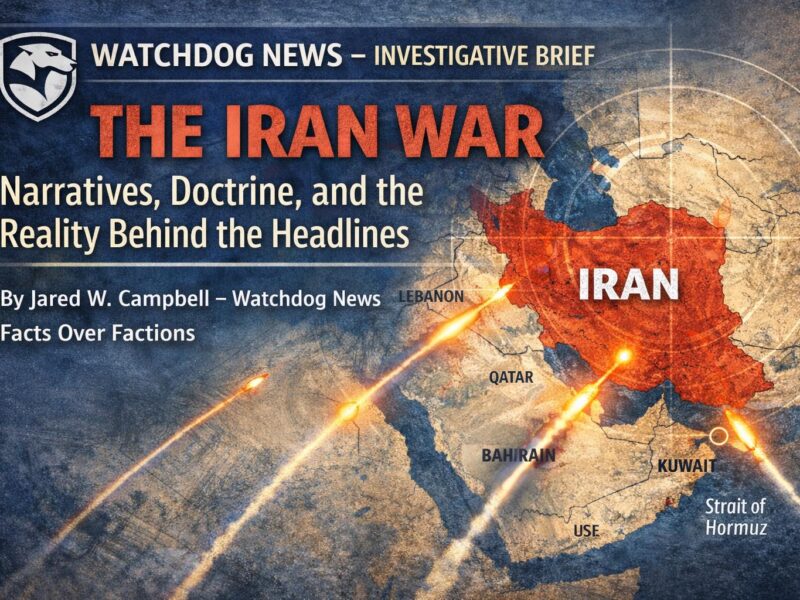
IRAN WAR UPDATE — TRUMP’S HARDEST CHOICE, KHARG ISLAND, AND A WAR WITH NO CLEAN EXIT
Ground-force pressure, nuclear limits, and the narrowing path between escalation and declared victory.
By Jared W. Campbell – Watchdog News
Facts Over Factions
March 21, 2026

THE WAR IS GETTING HARDER TO END THAN TO EXPAND
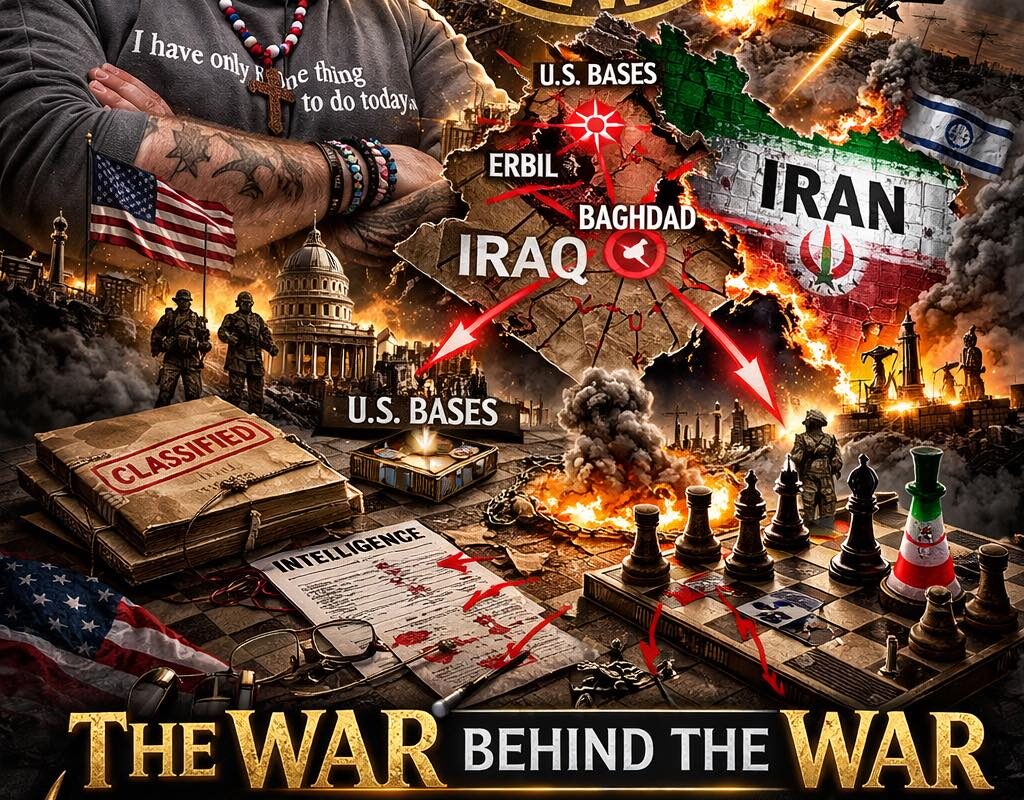
Watchdog News is tracking a dangerous transition point in this war. What began as a campaign sold around strikes, deterrence, and rapid objectives is now moving into a much riskier phase: the phase in which leaders must decide whether to stop short, go deeper, or try to claim victory before the battlefield forces its hand. That is the real issue before the White House now. The war has entered its fourth week, pressure is growing in Washington for a clearer endgame, and reporting now shows ground-force questions, Kharg Island scenarios, expanded Marine deployments, and continuing debate over whether military success can produce a durable political outcome.
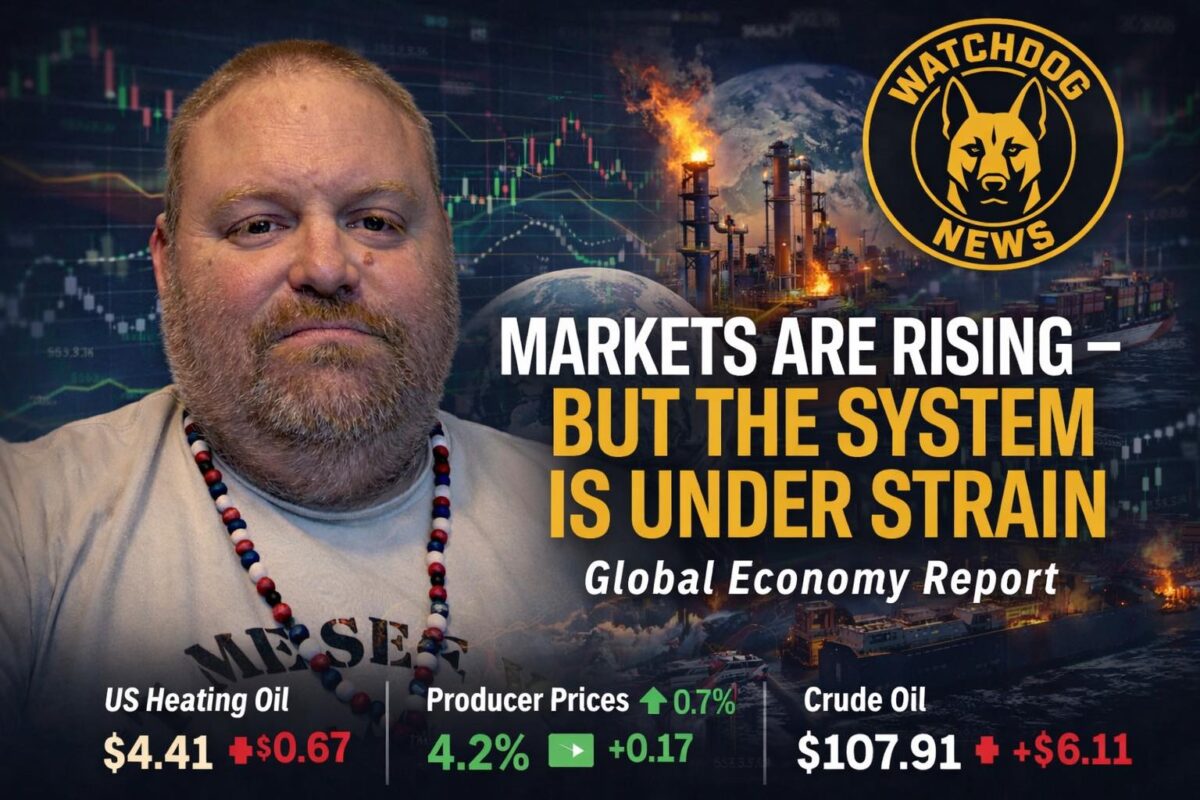
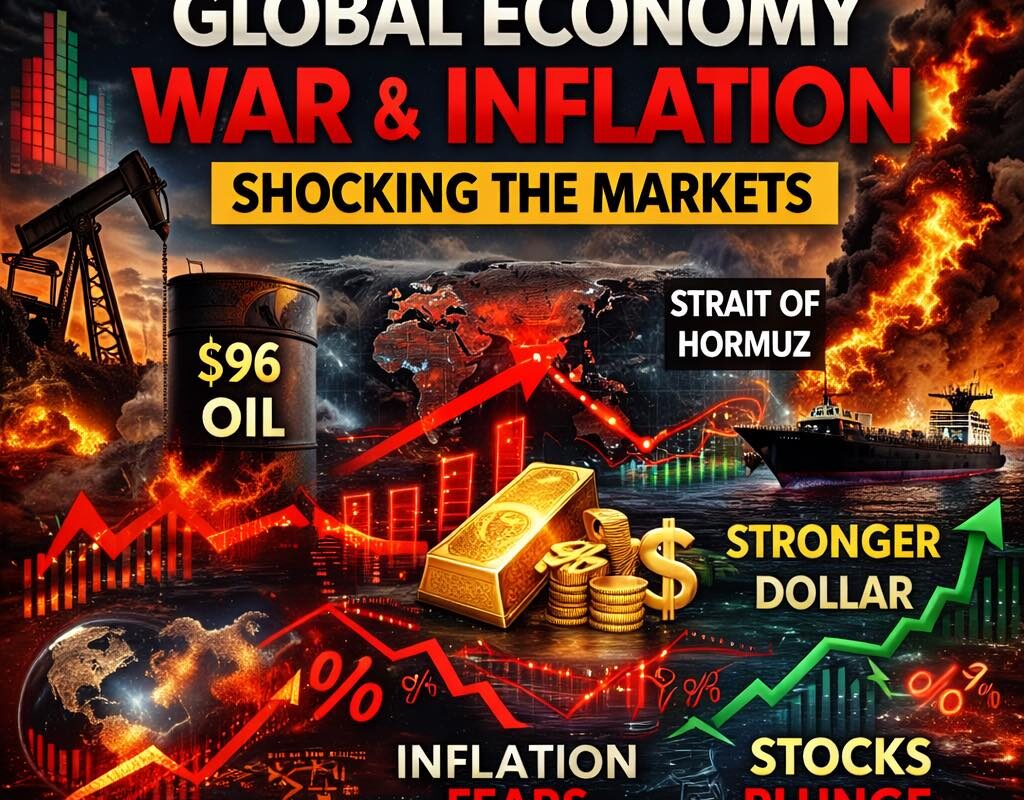
There is also a broader Watchdog note for readers: next week, we will return to the Global Economy reports. We are closely monitoring current trends and expect to have a stronger, fuller economy report ready on Monday as more market, energy, and policy data settle. In the meantime, throughout the weekend, Watchdog News will be doing Iran War flash updates to keep everyone in the loop as events unfold. The reason is simple: the war is still shifting faster than the narrative around it. Oil, shipping, inflation, allied posture, and military options are all moving in real time.
Related article- https://watchdognews.network/iran-war-update-kharg-island-escalation-2026/
THE CENTRAL QUESTION — CAN TRUMP END THIS WITHOUT GOING DEEPER?
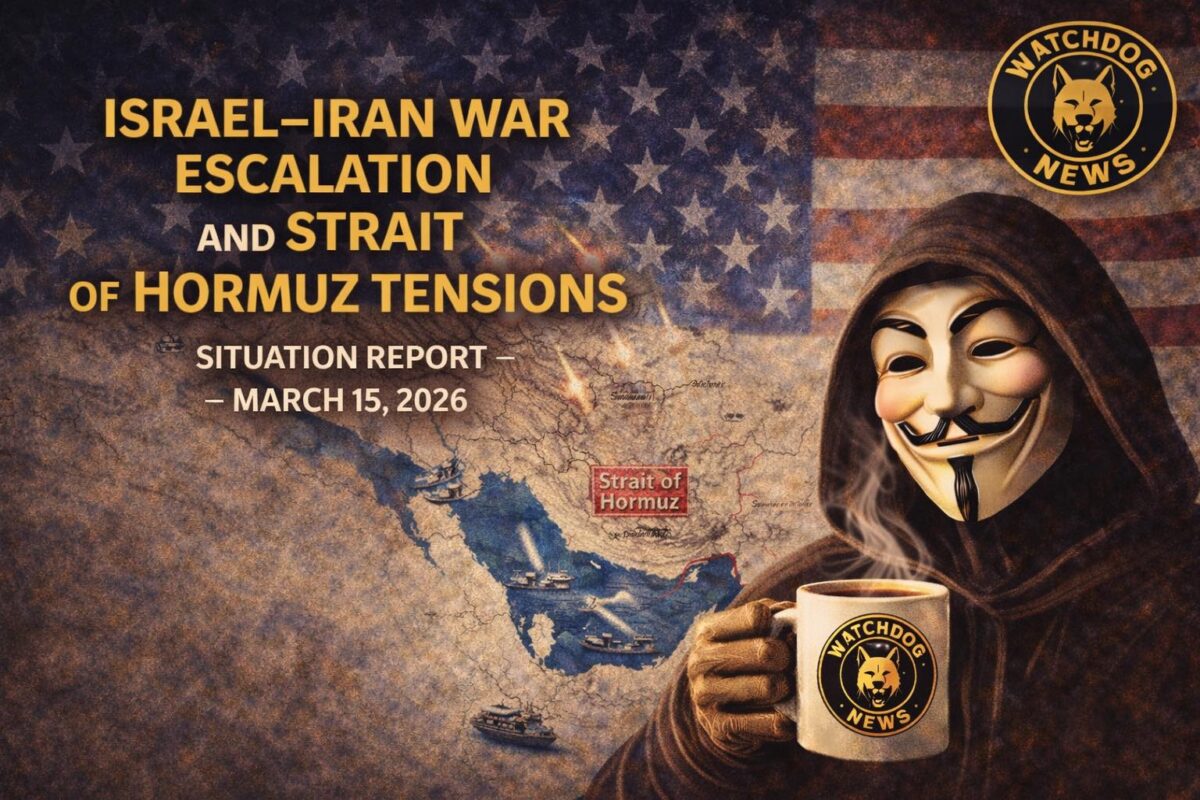
The hardest decision in front of President Trump is no longer whether to hit Iran. That decision has already been made. The harder decision now is whether the administration can end this war on terms it can sell politically without sending American ground forces into a deeper operational role. Reuters has reported that Trump publicly said the U.S. is “very close” to meeting its objectives and is considering “winding down” major operations, while also arguing that countries dependent on the Strait of Hormuz should bear more of the burden of securing it. At the same time, the U.S. is still deploying Marines and additional military assets to the region, which suggests the operational picture is not yet aligned with the exit message.
That contradiction is not a side detail. It is the story. Politically, Trump appears to want room to declare that Iran’s missile, naval, and industrial capabilities have been badly damaged and that American objectives are largely met. Militarily, however, the unresolved pieces remain the most dangerous ones: Hormuz, Kharg Island, buried nuclear material, and the question of whether coercion without occupation can force Iran to yield. Those are not small leftovers. Those are the issues most likely to drag a war out after leaders start talking as if it is almost over.
https://www.news247.gr/kosmos/mesi-anatoli-i-diskoloteri-apofasi-pou-exei-klithei-na-parei-o-trab/
KHARG ISLAND — THE ECONOMIC LIFELINE THAT COULD BECOME A TRIPWIRE
Kharg Island remains one of the most important military-political hinges in this conflict. Multiple reports say the administration has considered seizing, blockading, or otherwise neutralizing Kharg to pressure Tehran and break the Strait of Hormuz crisis. Reuters has separately reported that U.S. policy has focused on reopening the Strait of Hormuz. At the same time, Trump has oscillated between demanding that allies do more and suggesting that the U.S. may reduce its own burden. What makes Kharg so combustible is that it is widely treated as central to Iran’s oil export system. That means any serious move on Kharg would not be symbolic. It would hit regime revenue, national prestige, wartime leverage, and escalation psychology all at once.
From a Watchdog perspective, Kharg matters because it changes the category of war. Air and missile strikes are one thing. A move that places American forces directly on or around a strategic Iranian export node is something else entirely. That would transform the conflict from a campaign of degradation into a contest over physical leverage and denial. Once that happens, Iran no longer has to read the move as pressure alone. It can be read as strangulation. And when regimes believe they are being strategically strangled, they often stop calculating for comfort and start calculating for survival. That is when bargaining chips become fuses. This is an inference based on the island’s strategic role and reported U.S. deliberations, not a confirmed final decision.
AIRSPACE IS NO LONGER SAFE — THE F-16 SIGNAL
Reports indicating that Israeli F-16s have come under direct threat or attack mark a critical shift in the conflict’s trajectory.
This is no longer a one-sided air campaign.
When advanced fighter aircraft begin operating in contested conditions, it signals that the battlefield is evolving beyond controlled strikes into a more dynamic and unpredictable engagement environment.
Air superiority—often assumed in the early phases of modern conflict—can no longer be taken for granted.
👉 That matters because once airspace becomes contested, escalation pathways multiply.
It increases the risk of miscalculation, raises the stakes of every operation, and reduces the margin for controlled de-escalation.
In simple terms:
👉 This is what it looks like when a war becomes harder to contain.
THE GROUND-TROOP ISSUE — PREPARATION DOES NOT MEAN DECISION, BUT IT DOES MEAN RISK
Publicly, Trump has denied plans to send troops, while leaving himself room by adding that if he did, he would not telegraph it. But the force posture continues to matter. Reuters and AP both report additional Marine deployments and expanded U.S. military movement into the region. AP reported thousands more Marines and warships moving in even as Trump hinted at a wind-down. Reuters also described the growing regional military picture as the conflict widened and U.S. assets continued to build. That does not prove a ground invasion is coming. It does prove that Washington wants options on the table.
And that is the point many people miss: force buildup has its own logic. Once troops, amphibious assets, and support elements are in place, commanders gain flexibility, but adversaries also gain more targets. The administration may still prefer a short political clock. Israel may still have a longer one. Allies may still want de-escalation. But military posture changes facts even before a formal decision is made. It widens the menu. And once the menu widens, the chance of accidental or pressured escalation rises.
https://www.reuters.com/world/
THE NUCLEAR QUESTION — BOMBING CAN DAMAGE INFRASTRUCTURE, NOT ERASE KNOWLEDGE
Another major fault line in this war is the difference between damaging Iran’s nuclear infrastructure and eliminating Iran’s nuclear capability. The IAEA has been clear on several points: U.S. and Israeli strikes have hit major sites including Natanz, Fordow, and Esfahan; there has been significant damage; some localized radiological and chemical contamination has occurred inside affected facilities; but there have been no reported increases in off-site radiation levels from the recent strikes the Agency has described. At the same time, the IAEA has repeatedly stressed that nuclear facilities should never be attacked and that inspectors must be able to return to verify enriched material and safeguards status.
That matters because there is a hard strategic truth here: bombing a nuclear program is not the same thing as deleting it. The IAEA has stressed the need to verify uranium stockpiles and resume inspections, and Reuters has reported continuing uncertainty over how much material remains accessible, how much damage underground sites sustained, and what political end state would truly prevent reconstitution. In plain terms, infrastructure can be cratered faster than expertise can be eliminated. That means a White House seeking a quick, clean declaration of success may still encounter the basic reality that nuclear know-how, stockpile accounting, and long-term control are not settled by air power alone.
BRITAIN, EUROPE, AND THE ALLIED SPLIT-SCREEN
Britain’s position captures the wider allied tension well. Reuters reports the UK has approved U.S. use of British bases for defensive operations tied to Iranian missile threats against shipping and regional partners, even while London continues to call for urgent de-escalation and says it does not want to be drawn into a wider war. That is not a contradiction unique to Britain. It is the pattern across many U.S. partners right now: support for protecting shipping, concern over Hormuz, alarm over energy prices, but very limited appetite for ownership of a larger war.
That allied caution also tells you something important about the strategic picture. If the coalition is united mainly around maritime protection and economic stabilization, but not around escalation to ground-force operations or territorial seizure, then Washington’s room for collective cover narrows as the war expands. The more the conflict shifts from defending shipping to coercive operations against core Iranian nodes, the less likely it is that allied rhetoric about “de-escalation” can comfortably coexist with actual battlefield developments.
https://www.reuters.com/world/
THE ENERGY SHOCK IS NOT A SIDESHOW — IT IS PART OF THE WAR
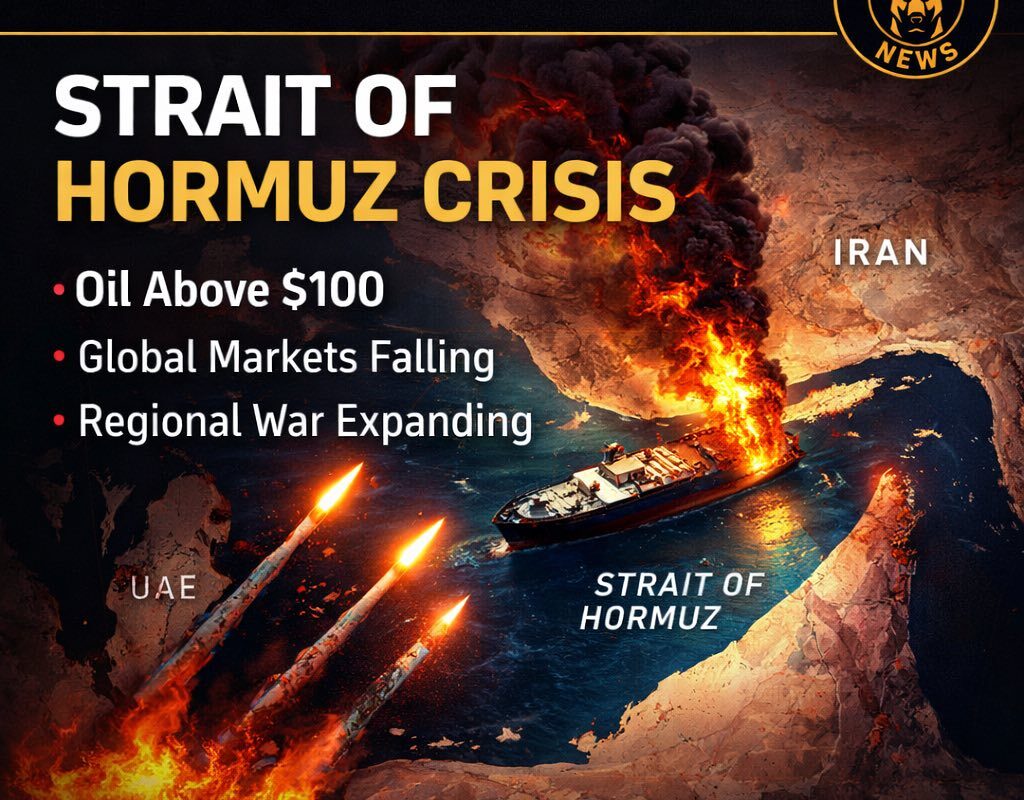
The economic front is not merely a consequence of the war. It is now one of the war’s active theaters. Reuters reports that the effective disruption around the Strait of Hormuz and direct attacks on energy infrastructure have produced a historic shock to oil, LNG, fertilizer, and fuel markets. Physical crude and refined-product prices have surged, strategic reserves are being tapped, and governments are discussing conservation and emergency measures. The administration has already released tens of millions of barrels from the Strategic Petroleum Reserve as part of a broader effort to cushion the blow. Still, Reuters also reports that analysts doubt reserve moves alone can fully offset the prolonged disruption.
This is one reason Watchdog News is pausing the bigger economy package until Monday. The data are still moving. The war’s energy effects are still re-pricing the system. We want readers to have a stronger report once more of the weekend volatility settles. For now, the takeaway is simple: this war is not just being fought in missile ranges and shipping lanes. It is being fought in energy costs, inflation expectations, industrial inputs, and the political patience of governments forced to manage the fallout.
https://www.reuters.com/world/
DIFFERENT PERSPECTIVES — WHAT EACH SIDE APPEARS TO BE TRYING TO DO
Viewed from Washington, the preferred path seems to be maximum leverage with minimum ownership: damage Iran’s military and industrial base, pressure Hormuz, hint at larger options, and create enough fear and pain to justify either negotiation or a politically useful declaration of victory. Reuters’ reporting on Trump’s winding-down comments fits that frame.
From Israel’s perspective, the timeline may be longer. AP and Reuters reporting suggest Israel’s operational tempo remains tied to a broader campaign logic than Trump’s shorter political window. That means even if Trump wants to stop sooner, battlefield and coalition momentum may not fully obey his clock.
Viewed from Tehran, survival and denial likely matter more than concession language. Reuters reports that Iran is seeking selective channels around the Hormuz Strait, including signaling a willingness to discuss vessel passage with Japan. In contrast, AP reports Iran has expanded the geographic and symbolic reach of its missile signaling, including the failed strike toward Diego Garcia. That suggests Tehran is not behaving like a side simply preparing to absorb pressure quietly. It is looking for ways to impose counter-pressure, split the coalition, and show that it retains reach even under heavy attack.
Viewed through the lens of international monitors like the IAEA, the core message is restraint and verification. Their perspective is narrower but critical: military strikes on nuclear sites create serious safety, safeguards, and contamination risks, and without inspectors on the ground, the world’s confidence in what remains and what has moved is necessarily weaker.
WHAT TO WATCH NEXT
The next phase likely turns on four questions.
First, does the administration keep the Kharg option as a threat or turn it into a real operational lever? Reuters reporting and the broader force posture make that one of the biggest escalation indicators.
Second, does the Marine buildup remain deterrent and contingency-based, or does it become the enabling structure for a deeper mission set? AP and Reuters both highlight the significance of the buildup, even without a formal ground-war announcement.
Third, does Hormuz partially reopen through diplomacy, pressure, or selective exceptions, or does the market start pricing in a longer disruption regime? Reuters has already reported selective Iranian signaling toward Japan, but the broader disruption remains severe.
Fourth, can Trump sell a “we won” narrative before the unresolved pieces force a new round of decisions? That may be the most political question, but it is also the most dangerous one if rhetoric outruns reality.
https://watchdognews.network/iran-war-update-kharg-island-escalation-2026/
https://www.reuters.com/world/
WATCHDOG CONCLUSION — THE EXIT RAMP IS NARROWER THAN THE RHETORIC
Here is the Watchdog’s bottom line: this war is no longer defined mainly by what was struck. What remains unresolved now defines it.
The administration wants flexibility. Israel wants sustained pressure. Iran wants to prove it cannot be coerced cheaply. Allies want to protect shipping without being drawn into the conflict. Markets want stability, but they now price in instability instead. Nuclear oversight bodies want inspectors and restraint in a war that continues to widen around strategic infrastructure.
This is why the moment is so dangerous. Not because no one has options, but because everyone still has options. When too many options remain open at once, the line between deterrence and escalation becomes very thin.
Watchdog News will continue to track it.
Global Economy coverage returns next week, with a fuller report on Monday.
Until then, expect Iran War flash updates throughout the weekend.
Facts Over Factions.