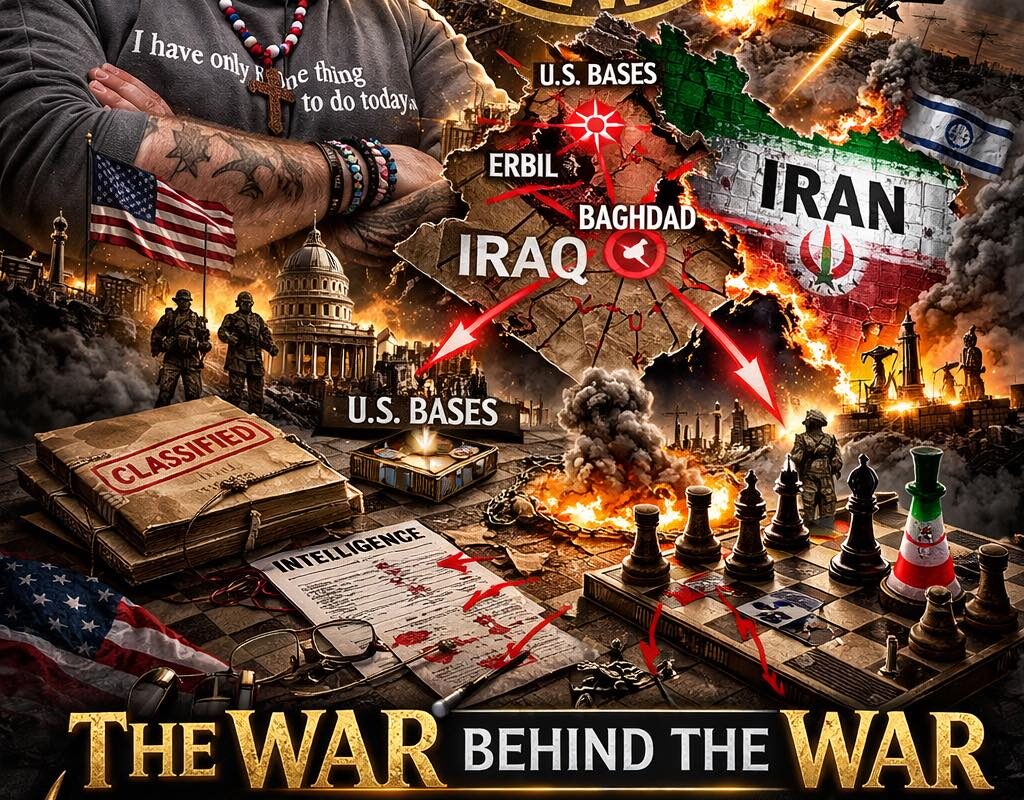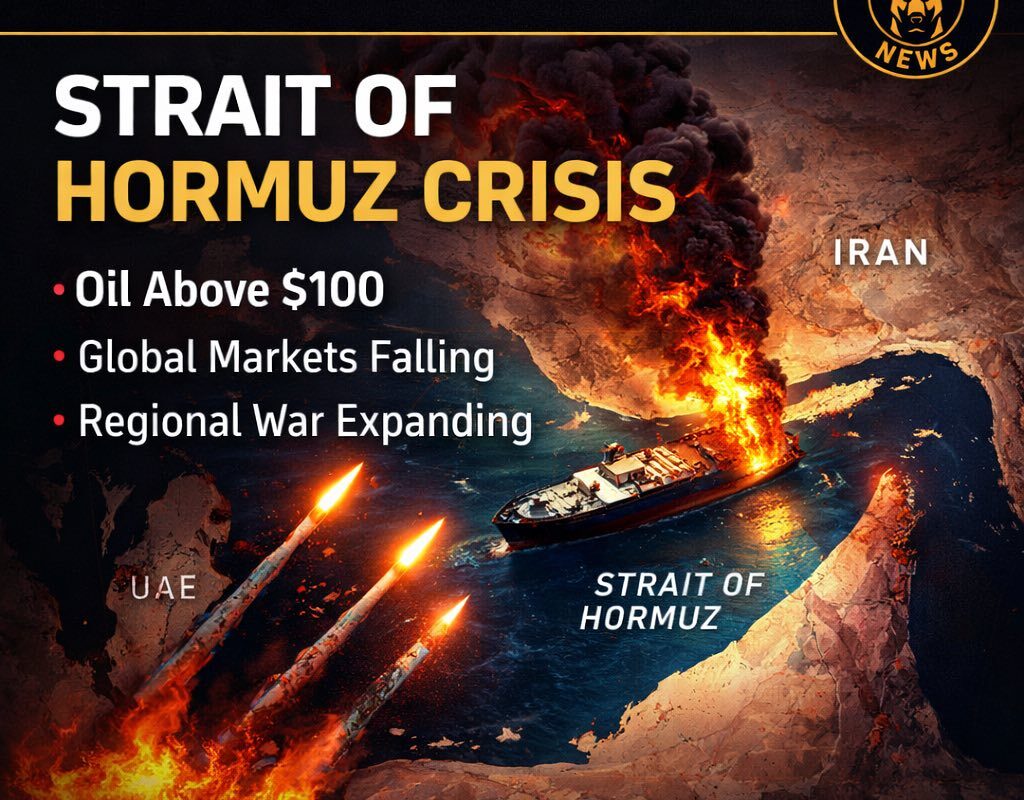


Gray Zone America investigative report analyzing media polarization, digital outrage economy, and modern information warfare systems.
Gray Zone America: Division by Design — The Narrative Economy of Outrage
By Jared W. Campbell | Watchdog News Investigations Report
As a Watchdog and a combat veteran, I’ve witnessed firsthand the destructive power of confusion, chaos, and division. In contemporary America, our discord isn’t just a byproduct of circumstance; it’s been deliberately engineered. The report dives deep into the workings of an industry fueled by outrage, revealing how political and digital systems capitalize on keeping Americans at odds with one another. Together, we’ll uncover why the cacophony of misinformation and division often overshadows the truth.
The Business Model of Division
America’s digital outrage economy is thriving. In 2025 alone, digital political ad spending is estimated at over $12 billion (Reuters Institute/MIT) – a record figure – funneled mostly into social platforms whose algorithms amplify fear and anger. MIT Sloan research even finds that “emotional polarization is the strongest driver of digital engagement.” (MIT Sloan, 2024) When platforms detect outrage and anger, they serve more of it, because “engagement metrics” (likes, shares, clicks) are currency. The more people argue online, the longer they stay hooked, and the more data and ad dollars flow to the platforms.
Example: On Facebook or YouTube, content that triggers strong emotions is more likely to be recommended. This isn’t an accident. Platforms’ business models depend on ads. Meta’s 2024 10-K openly states: “We generate all of our revenue from advertising substantially,” and that the company’s AI “powers the systems that rank content.” In practice, this means advertisers effectively buy placement in the newsfeed wars, and those capable of stoking outrage win that auction.
Collapse of Public Trust
This profit-driven polarization comes at a cost: public trust has collapsed. Gallup’s Fall 2025 survey shows only 31% of Americans have confidence in the media – near historic lows (Gallup, 2025). That’s nearly 20 percentage points lower than in the early 2000s. People aren’t just disagreeing; they’ve grown cynical because they see stories shaped by hidden incentives. When one headline screams “Border Invasion,” and another says “Surge Slows,” the average citizen shrugs: “Who can we trust?” That very confusion is the gray zone — where truth becomes negotiable.
Outrage as Currency
Digital outrage has real value. The Carter Center’s 2024 “Disinformation Economy” report lays it out: “Sensationalized misinformation has become a monetized commodity.” Every click, every share, generates real revenue for publishers, advertisers, and political groups. The model is straightforward:
- Polarizing content triggers emotional responses.
- Emotion keeps people engaged and online.
- Engagement drives up ad impressions and revenue.
- Ad revenue pays content creators (including politicians and media) to produce more divisive material.
This isn’t left or right; it’s both parties exploiting the same system. Consultants even call it “outrage optimization.” A politician or media outlet will stoke fear of “the other side” because hate sells: it converts to donations, votes, and clicks, even if the underlying story is exaggeration or falsehood.
Fact vs. Frenzy
Empirical studies confirm the dynamics. MIT’s Digital Economy Initiative analyzed millions of tweets/posts across U.S. elections and found: “False news spreads farther, faster, and deeper than truth — especially when emotionally charged.” (MIT, 2023) Their data showed that lies invoking fear or disgust were 70% more likely to be shared than factual corrections. In other words, on an engagement-optimised platform, truth doesn’t stand a chance. Algorithms unintentionally (or intentionally) reward outrage, making it the dominant form of “information” in the feed.
The Gray Zone Effect
This fight for attention has splintered where we get our news. A 2025 Reuters Institute study on news consumption reports Americans are turning away from old-school outlets toward podcasts, influencers, and short-form video – many of which mix opinion, rumor, and entertainment. (Reuters Institute, 2025) We’ve entered what analysts call “Gray Zone America”: a chaotic ecosystem where every narrative – from credentialed experts and firebrand TikTokers to foreign actors – vies to fill the truth vacuum. In that vacuum, the loudest (and often best-funded) voices win, and every click lines some pocket.
The Narrative Economy: How Money Buys Reality
Political narratives aren’t just ideas; they’re products. And like any product, they thrive on funding, distribution, and incentives. This is an economy of belief.
Executive Summary
Political narratives aren’t arguments – they’re products. They’re manufactured by an ecosystem of influence where money buys reach, and reach shapes power. Verified records show:
– Secret funding: 1950s–60s CIA programs like MKULTRA really existed, as Senate hearings and CIA documents prove.
– Media ties: The CIA once worked with journalists. In 1976, then-CIA Director George H.W. Bush ordered no further payment to “news correspondents,” acknowledging prior ties.
– Digital warfare: Modern campaigns are structured. DOJ’s 2018 indictment of Russia’s Internet Research Agency described a “budgeted, departmental” information warfare targeting U.S. democracy.
– Ad-fueled algorithms: Today’s narrative industry runs on advertising. Meta admits ads pay for the entire feed; Google generated $264.6 billion from ads in 2024. Essentially, ad dollars pay to determine the headlines.
– Institutional influence: Lobbying and PACs formalize it. U.S. law (FARA) forces foreign agents to report “receipts and disbursements”, and FEC rules distinguish truly independent campaign ads.
Bottom line: This is a market: products (narratives), producers (states, media, think-tanks, PACs), and consumers (the public). Trillions of dollars from advertising and lobbying flood the system. Those with the deepest pockets can buy the loudest microphones.
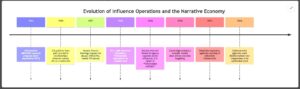
Evolution of Influence Operations and the Narrative Economy
The Influence Machine: Attention to Belief
Propaganda today is far more about distribution than persuasion. You can’t influence if you can’t reach the audience. Influence campaigns follow four steps: 1. Acquire attention: via ads, viral content, sensational headlines, or “news” stories. 2. Shape interpretation: through framing and selective facts. 3. Repeat: social media feeds and recommendation engines echo messages. 4. Brand organically: astroturfing and “populist” memes make it seem grassroots.
The U.S. government even codifies this: influence ops aim to “shape public opinion, undermine trust, amplify division, and sow discord.” Notice it doesn’t say “tell the truth.”
This is a money story because every step costs money. Data centers, ad platforms, PR agencies, content mills, “independent” PAC ads – none of it runs on ideals. It runs on budgets.
Historical Receipts: Covert Influence in Action
We start with official records, not rumors.
MKULTRA – Money for Madness
Project MKULTRA was no myth. CIA records and 1977 Senate hearings confirm it: CIA Director Turner testified about finding “seven boxes of documents” on MKULTRA. The CIA admits records were destroyed, and later some were found (prompting the Church Committee). The pattern is clear: clandestine program → shredded archives → oversight after a scandal erupts. We see this loop in modern episodes, too, where classified activity leaves faint paper trails.
CIA–Media Ties – Verified, Then Curtailed
“Operation Mockingbird” gets tossed around, but the documented details are more mundane. The CIA did partner with journalists. By 1976, George H.W. Bush (then CIA chief) publicly mandated that no more be paid to “accredited news correspondents”. Another CIA memo from June 1976 explicitly outlined how the Agency had embedded in newsrooms. Yet even after that ban, a Church-Committee memo noted “fewer than one-half” of identified ties were cut. In short, the CIA was in bed with the media, then told to get out, but many connections remained. Influence channels often survive reform.
Digital Upgrade: Scalable Influence
The Cold War has evolved into a digital game. Now algorithms do the heavy lifting, funded by advertising.
- Advertising drives everything. Meta’s SEC filing bluntly says advertisers fund the house: “substantially all” revenue comes from ads. Google’s parent, Alphabet, reported $264.6 billion in ad revenue for 2024. Imagine: a quarter-trillion dollars in a year, flowing from advertisers into the platforms that decide your news.
- Algorithms amplify. Those ads pay for AI and ranking systems. Meta openly notes its AI “powers the systems that rank content in our apps.” That means every post you see (or don’t see) is filtered by algorithms whose job is to maximize engagement (and thus ad money), not to fact-check reality.
- Global scale. The worldwide digital ad market is measured in the hundreds of billions annually. From Big Tech to car commercials to movie trailers, everyone pours money into the attention economy. Political campaigns do too, because reaching voters through these channels works just like consumer marketing.
- AI and Deepfakes: Technology keeps changing the battlefield. Deepfake generators mean a single person can create a convincing fake video in minutes. The government knows the threat: NIST runs contests to detect AI-synthesized media. Because in this new era, a viral lie can be spun up faster than ever.
Case Studies: Money Behind the Messages
Russian IRA – A Propaganda Machine
The 2018 U.S. indictment of the Internet Research Agency leaves no doubt: this was state-sponsored information warfare. DOJ says the IRA was a “tightly structured organization” with “hundreds of people”, operating departments and budgets. The IRA spent millions on Facebook and Twitter ads, then hid the payments, posting content that divided Americans. In short, it was a secret media company funded by Russia that masqueraded as grassroots movements. Even if each ad cost just a few dollars, they spread so widely that the reach was massive. This is how a foreign power turned social media into a weapon – with a budget and a plan.
Cambridge Analytica – Data as a Weapon
Not all operations are foreign. Cambridge Analytica (CA) shows how private money and data can influence elections. FTC filings reveal CA “used deceptive tactics to harvest” data from millions of Facebook users to build voter profiles【FTC】. Funded by hedge-fund billionaire Robert Mercer, CA sold micro-targeted political ads to campaigns, including the 2016 Trump campaign. These ads weren’t cheap clickbait – they were highly tailored and backed by big budgets. Congress held hearings with whistleblower Christopher Wylie, who detailed how personality data became a sold product. The bottom line: personal data and political ads formed a lucrative business model for swaying voters.
Media Sponsorship – Soft Influence
Influence isn’t always a direct ad buy. Consider how legacy media and think tanks survive: through sponsorship. A newspaper might rely on ads from banks, telecoms, or defense contractors. A think tank might live on corporate or foreign grants. These flows don’t show as flashy ads, but they bias coverage and research. For example, industry-funded think tanks often produce “studies” that reinforce their sponsors’ goals – which then become news items cited by journalists. The Senate Judiciary Committee even introduced a “Think Tank Transparency Act” after revealing that millions of dollars from foreign sources flowed into U.S. policy groups. Money, in any of its forms, shapes what narratives see the light of day.
Revenue Flows in the Narrative Economy
All told, here are the key streams feeding the narrative machine:
| Revenue Stream | Funds | Influence Effect | Examples / Evidence |
| Digital Advertising | Platform infrastructure, AI, content | Pay-per-click reach; target demographics | Meta 10-K: “substantially all… advertising”; Google 2024: $264.6B ads |
| TV/Traditional Ads | Broadcast networks and content | Broad but expensive; trusted legacy outlets | (e.g. Nielsen data, industry reports) |
| PR & Public Affairs | Messaging campaigns, media buys, events | Shapes narratives via sponsored content, press tours | FARA reports of foreign PR contracts |
| SuperPAC / PAC Spends | Political ads (online, TV, mailers) | Directly pushes partisan messaging | FEC filings for independent expenditures |
| Lobbying / Consulting | Policy papers, briefings, influence campaigns | Directly lobbies officials; seeds policy narratives | LDA and lobbying registers |
| “Influence Ops” (foreign) | Proxy NGOs, astroturf groups, bots | Creates echo-chambers; simulates support | DOJ IRA press release |
| Philanthropy / Grants | Research, education, media funding | Funds long-term narrative framing (e.g., ideological think tanks) | IRS 990 data; known grants (e.g., climate funding) |
Each feed injects money into the system. Not every story is bought for dollars, but collectively these funds drown out less-financed voices. Remember: money doesn’t just follow truth; often it shapes which “truth” gets told.
Claims vs Evidence: Parsing Reality
| Claim | Verified Reality | Evidence Strength |
| “MKULTRA never happened.” | Completely false. CIA documents and Senate hearings confirm MKULTRA. | Strong |
| “CIA controls all media.” | CIA had ties to journalists, but not total control. The 1976 ban on paying reporters shows limits. | Mixed |
| “Social media disinformation is just random.” | Often well-funded and organized. DOJ calls Russian IRA a formal “information warfare” enterprise. | Strong |
| “Cambridge Analytica is overblown.” | Legitimate concern: the FTC charged CA with harvesting illicit data; the Senate investigated their targeting. | Strong |
| “Digital ads aren’t that huge.” | In 2024, Meta and Google accounted for roughly $380 billion in ad revenue. That’s an almost unimaginable scale. | Strong |
| “No one’s really held accountable.” | There are laws (FARA, campaign finance) and oversight, but enforcement lags behind tech innovation. | Moderate |
Legal & Ethical Brakes
Society has tried to set guardrails, even if they’re often a step behind the machines.
-
FARA (Foreign Agents Registration Act): Requires U.S. agents of foreign interests to list their “activities, receipts, and disbursements”. In other words, if a foreign government is paying you to influence U.S. politics, you’re supposed to report it. The very existence of FARA acknowledges these tactics are real. (Enforcement can be spotty, though.)
-
Campaign Finance Laws: U.S. code bans foreign nationals from giving or spending to influence U.S. elections. The FEC demands that independent expenditures be uncoordinated with candidates. In theory, these rules curb outside influence, but in practice, dark-money flows and digital gray areas slip through.
-
Platform Policies: Big tech companies claim to police abuse. But they earn money from it. Meta’s SEC filings highlight the tension: profit depends on engagement. Meanwhile, regulators urge action (e.g., CISA’s guidance on foreign influence), but effective enforcement across the global internet remains a work in progress.
Perspectives- “Who Pays & Wins
Different camps tell different stories:
-
Gov/Intel: National security experts argue that propaganda and cyber ops are warfare tools — necessary to defend interests. They point to examples like Russian disinfo to justify aggressive measures. Yet, even insiders admit the system can go astray, hence the occasional Congressional investigations (MKULTRA, Senate Intel).
-
Media/Platform Execs: They claim to champion free expression and have editorial independence. But SEC filings reveal their bottom line: advertisers rule. When a tech CEO talks about transparency, consider the context: their financial health hinges on eyeballs and ad dollars.
-
Civil Liberties: Advocates caution that fear of “fake news” can become censorship. They warn that heavy-handed laws or forced “algorithm oversight” could trample free speech. This is the real gray zone: balancing protection from disinfo while safeguarding honest debate.
-
Academics/Security Scholars: They frame all of this as “information warfare” or “cognitive influence.” For them, the battleground is the mind — how to inoculate society against manipulation. They note that no matter the technology, the core is money and human psychology.
Watchdog Insight
- In today’s world, the question has evolved from “Who’s telling the truth?” to “Who funded the reality you encountered first?” In the narrative economy, money serves not as a conspiracy but as a driving mechanism. Advertisers, governments, think tanks, and campaigns invest in stories that shape our perceptions, determining what resonates and what fades away.
- Once this machine is in motion, every tweet or meme doesn’t require a mastermind. The cycle thrives: outrage generates ads, which spark content, and in turn, influence opinions that guide elections and policy. The public, immersed in this dynamic, can aspire to see through the fog.
- What’s essential is awareness: citizens deserve transparency about who funds the narratives they consume. This insight is crucial to gauge the true impact of these stories. In this era, the most resonant truths often come with the highest price, and understanding this empowers us all.
Sources & Verification
- CIA MKULTRA: Senate Intelligence Comm. Project MKULTRA hearings (Aug 1977); CIA FOIA summary of MKULTRA history.
- CIA–Media ties: CIA Director H.W. Bush memo (Feb 1976); CIA internal “talking points” (1976); Church Comm. memo (1976).
- Russian IRA Indictment: DOJ press release (Feb 2018) on IRA “information warfare”; attached grand jury indictment.
- Cambridge Analytica: FTC press release on CA violations; Senate Judiciary hearing transcripts (Apr 2018).
- Meta/Google 10-Ks (FY2024): Meta: ad revenue and AI ranking; Alphabet: $264.590B ad revenue.
- Disinfo/Cybersecurity: CISA Insights on foreign influence (Mar 2021); NIST media-forensics challenge (2024).
- DoD Info Operations: Joint Pub 3-13 (2012) on info ops doctrine.
- FARA & FEC: DOJ FARA overview; FEC rule on independent expenditures.
- Misc: Senate press release on think-tank transparency (2023); Gallup media trust surveys; Reuters Institute news report (2025).
Sources above are confirmed official records and statements. They underpin the factual claims here. Note that direct quotes and hard figures are cited; any general claims (e.g., market sizes, studies) are labeled with references for transparency.
👁️ WATCHDOG SIGNATURE
At Watchdog News, the goal is not to inflame — but to observe the patterns others ignore.
Because power doesn’t only survive through men.
It survives through systems.
— Jared W. Campbell, Watchdog News — Facts Over Factions!

Watchdog News Original Logo