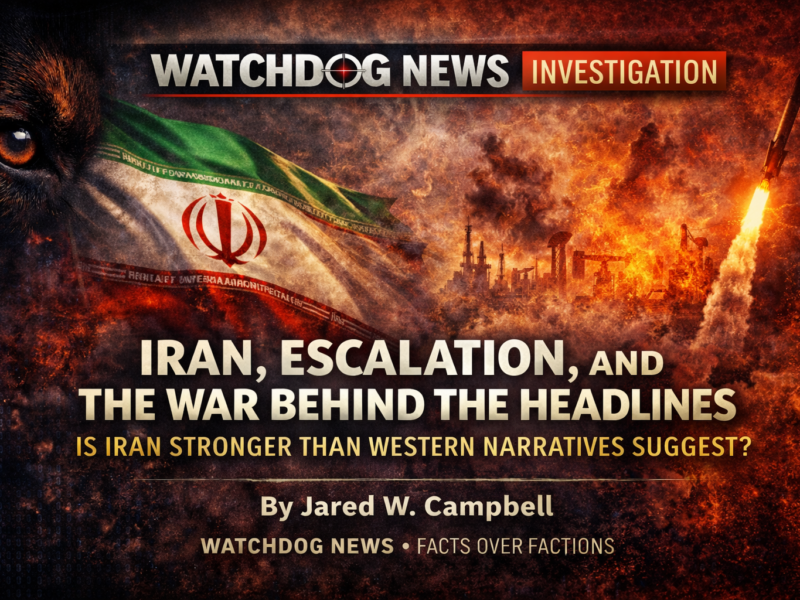


Wars often produce political outcomes very different from what outside powers expect.
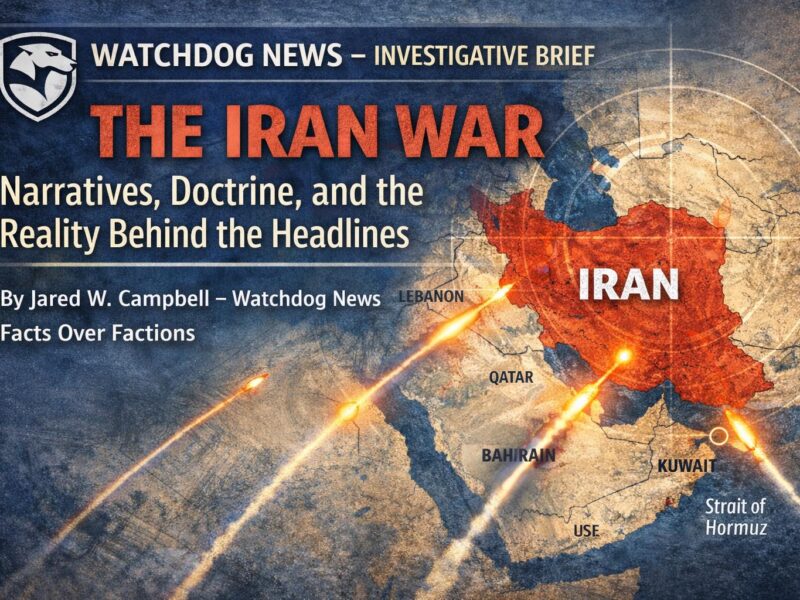
War Pressure Inside Iran May Be Strengthening National Unity, Not Regime Collapse
By Jared W. Campbell — Watchdog News
👁 Facts Over Factions
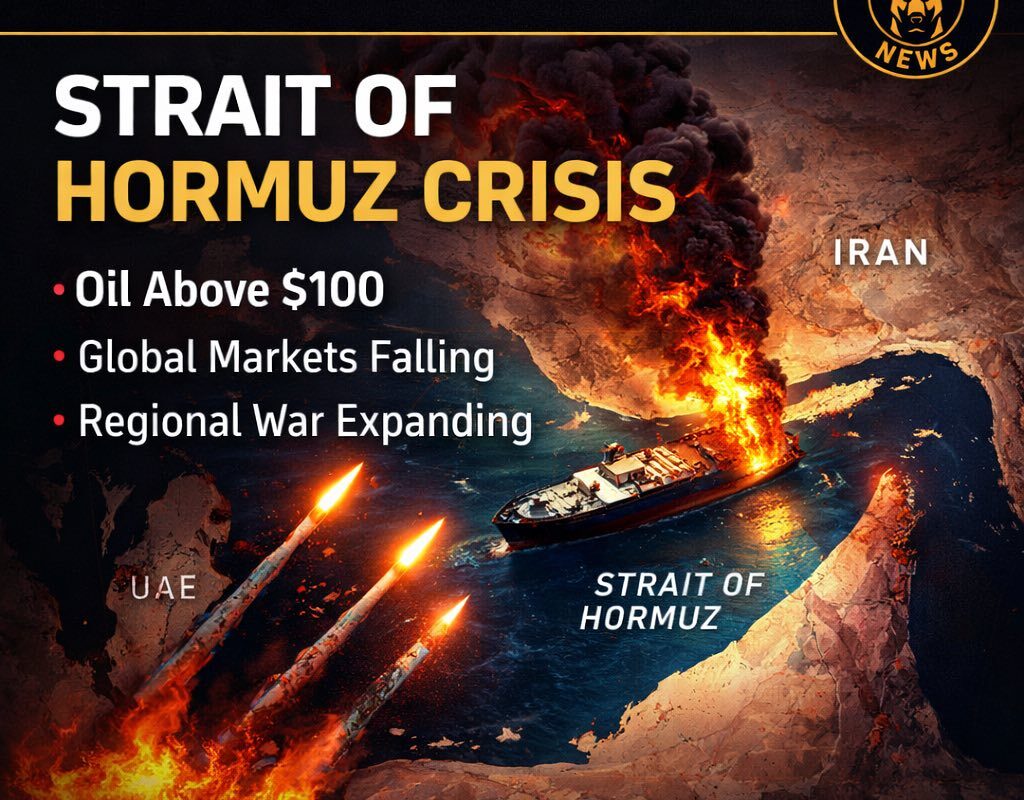
New reporting from international media suggests that the ongoing U.S.–Israeli strikes on Iran may be producing an unexpected political effect inside the country: even some opposition-minded citizens are questioning the idea of foreign-driven regime change.
According to reporting from the Financial Times, some Iranians who previously supported outside pressure on the Islamic Republic are now expressing alarm at the scale of destruction and civilian suffering caused by the war. One Tehran resident, identified as Mandana, told the paper:
“We should not have been bombed. Our city, our country — this should not have happened.”
— Financial Times
https://www.ft.com/content/4e048ed0-9bba-4392-8cee-7f1337c0b211
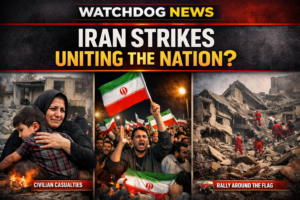
The report states that more than 1,000 civilians have been killed and over 8,000 homes damaged or destroyed during the strikes, based on official Iranian figures cited in the coverage.
Despite widespread dissatisfaction with the Iranian government and previous waves of protests, journalists and analysts note that large anti-government demonstrations have not reappeared since the war began.
Instead, some sociologists and observers inside Iran say the conflict may be producing what political scientists call a “rally-around-the-flag” effect — where foreign attacks temporarily strengthen national unity, even among citizens who oppose their own leadership.
In other words, fear of national destruction may be pushing many Iranians to prioritize defending the country over confronting the government, at least for the moment.
Analysts and opposition figures have echoed similar assessments. According to Reuters, members of the Iranian opposition abroad acknowledge that external bombing alone is unlikely to collapse the Iranian regime without a major internal uprising.
U.S. intelligence assessments have also raised doubts that military pressure by itself could rapidly dismantle Iran’s political system, noting that the regime’s internal security structure remains intact despite wartime stress.
👁 The Watchdog Signal
History shows that foreign military pressure can produce two very different political outcomes:
• weaken governments
• or temporarily strengthen national unity against outside threats
What is emerging inside Iran suggests the second dynamic may be taking hold.
Instead of triggering immediate regime collapse, the war may be reinforcing nationalist sentiment and delaying internal political upheaval.
That does not mean the Iranian government has gained permanent stability.
But it does mean the strategic outcome many outside actors expected may not unfold as quickly as anticipated.
And that is precisely the kind of pattern a Watchdog keeps watching.
Jared W. Campbell- Watchdog News
👁 Facts Over Factions