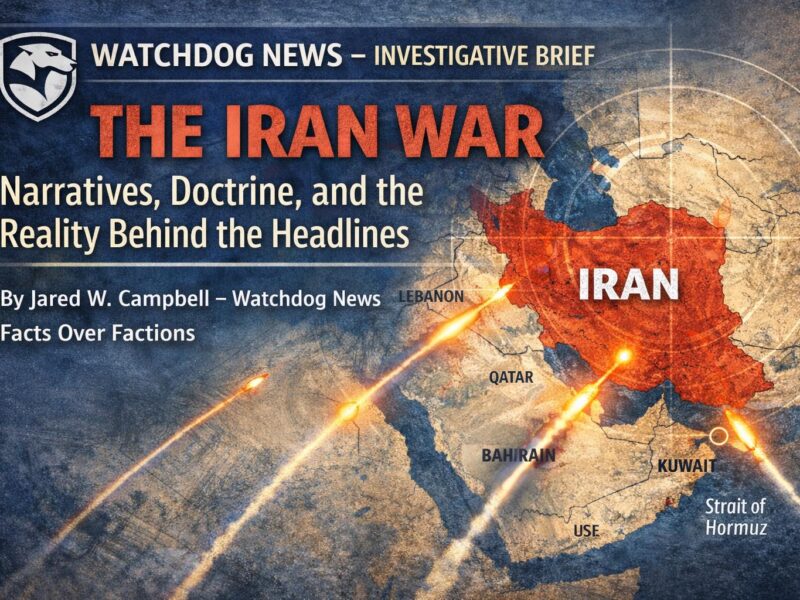


“U.S.–Iran Escalation: Military Buildup, Deterrence, and the Thin Line Between Pressure and War”
By Jared W. Campbell
Watchdog News — Facts Over Factions
When Military Movements Speak Louder Than Words
In geopolitics, wars rarely begin with declarations.
They begin with movement.
Aircraft repositioned quietly across continents.
Carrier strike groups changing course.
Diplomatic language is becoming shorter, and deadlines are becoming clearer.
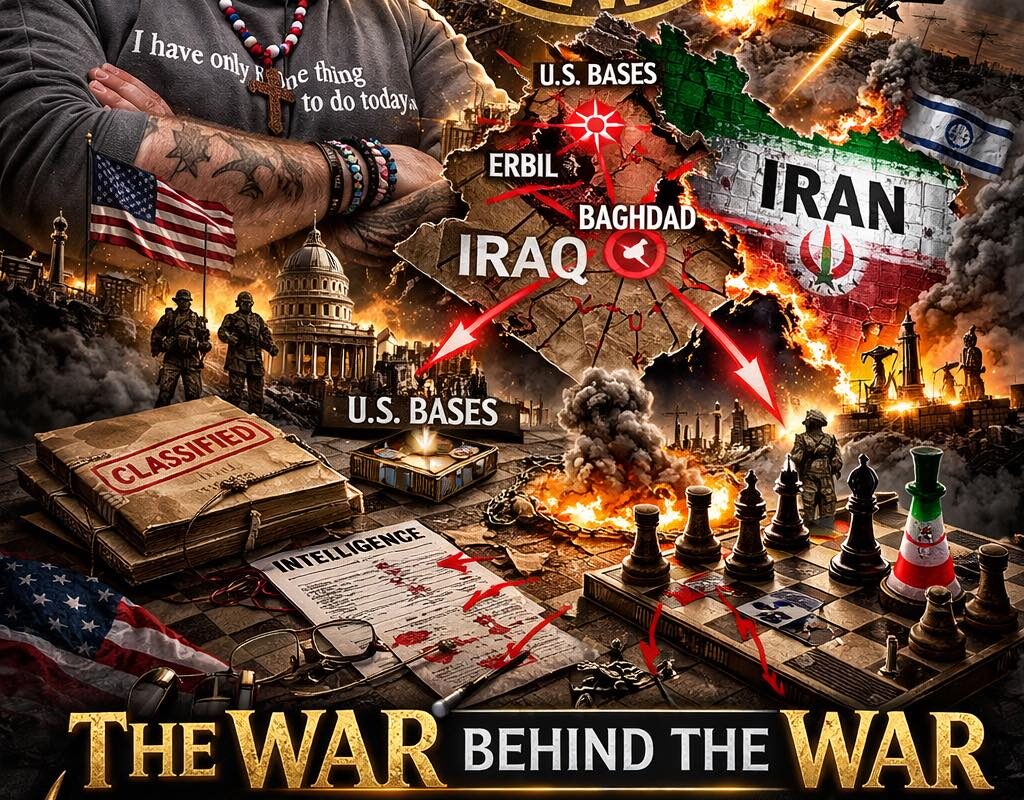
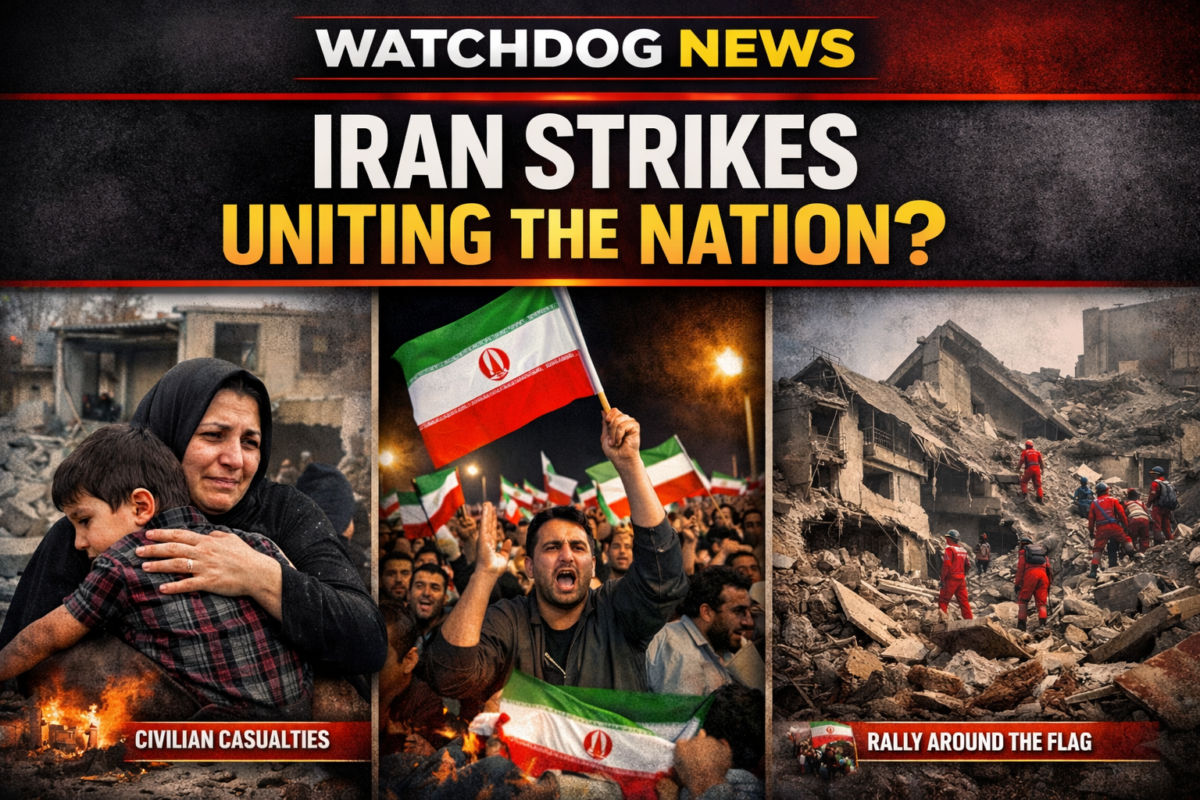
Right now, the United States and Iran appear locked in one of the most dangerous escalation cycles in years. Washington is rapidly expanding its military footprint across the Middle East, while Tehran signals restraint publicly — and preparation privately.
The question facing the world is not simply whether war is coming, but something more complex:
Is this preparation for conflict — or leverage designed to avoid one?
A Watchdog report doesn’t assume answers.
It examines what can be verified, what is interpretation, and what remains unknown.
1️⃣ What Is Verified: The Military Buildup
Multiple outlets — including Al Jazeera, Reuters, AP reporting, and defense analysts cited by CSIS — confirm a significant U.S. force deployment across the region.
Confirmed deployments include:
-
Two U.S. aircraft carrier strike groups:
-
USS Abraham Lincoln
-
USS Gerald R. Ford (world’s largest aircraft carrier)
-
-
Expanded air assets:
-
F-22 air superiority fighters
-
F-35 stealth aircraft
-
F-15 and F-16 fighters
-
E-3 Sentry AWACS surveillance aircraft
-
Tankers and logistics aircraft
-
Flight-tracking analysis cited by Al Jazeera suggests more than 120 U.S. aircraft moved into operational range — the largest regional buildup since the 2003 Iraq War.
Retired Marine Colonel Mark Cancian (CSIS) stated:
“The United States is doing everything they would do if they were going to carry out some kind of attack.”
That assessment reflects capability — not confirmation of intent.
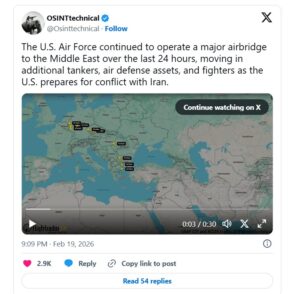
Screenshot- from News 24/7
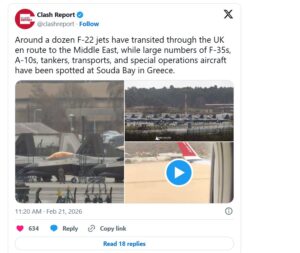
Screenshot- from News 24/7
2️⃣ Iran’s Position — Deterrence Without Declaring War
Iran’s response has been consistent across diplomatic channels.
In a formal letter to the United Nations Security Council, Tehran stated:
Iran does not seek war but will respond “decisively and proportionately” to any U.S. attack.
Verified actions by Iran include:
-
Joint naval exercises with Russia in the Sea of Oman
-
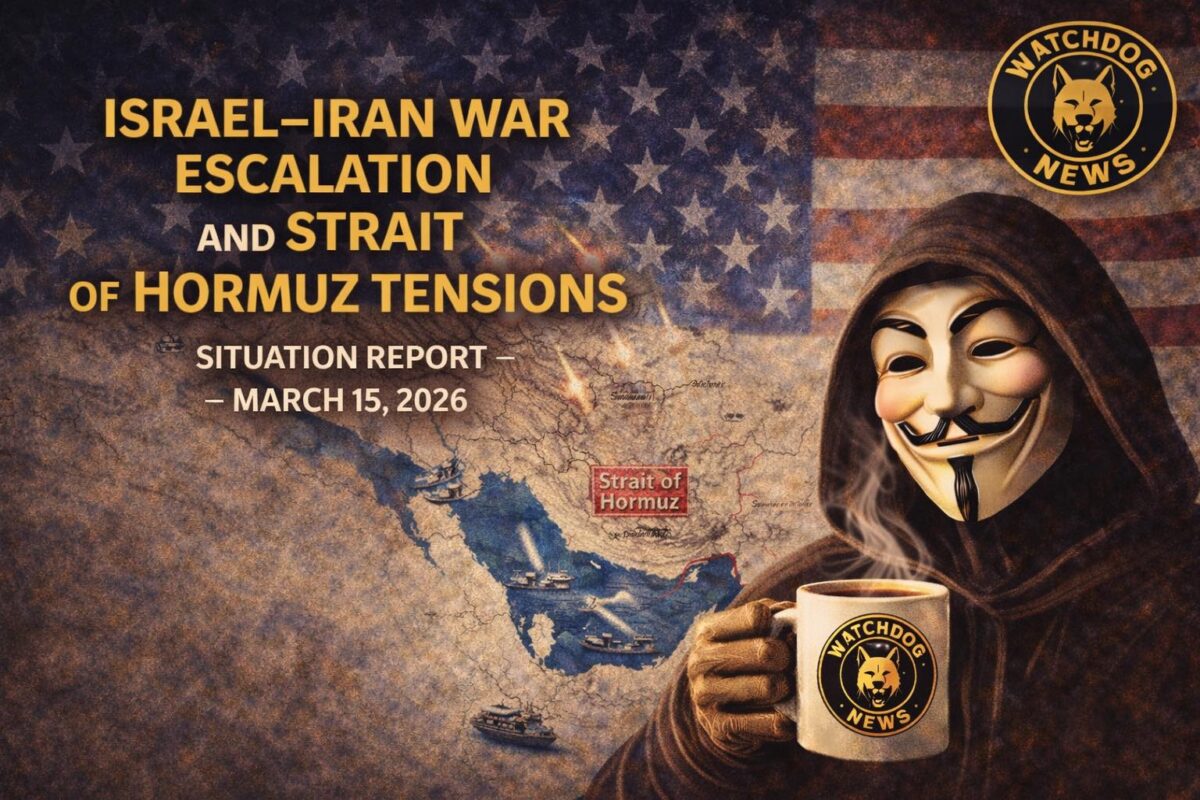
Temporary closures during live-fire drills near the Strait of Hormuz
-
Reinforcement of military and nuclear facilities
-
Underground fortification work confirmed by satellite imagery reported by Reuters
Johns Hopkins professor Vali Nasr, speaking through CSIS discussions, warned:
“They may react forcefully from the start or seek to drag the United States into a protracted situation.”
This reflects Iran’s longstanding asymmetric doctrine — avoid conventional defeat by extending the duration of the conflict and raising its costs.
3️⃣ The Strategic Flashpoint: Diego Garcia and Allied Friction
A critical development receiving less public attention involves Diego Garcia, a joint U.S.–UK military base.
Reports from British media indicate:
-
The United Kingdom must approve offensive operations launched from the base.
-
British leadership has reportedly raised legal concerns about its use for strikes on Iran.
This introduces a major strategic variable:
Even allies are not fully aligned on escalation.
The dispute highlights a broader geopolitical reality — modern conflicts are constrained not only by enemies, but by coalition politics.
4️⃣ Expert Perspectives — War Preparation or Negotiation Pressure?
Analysts are sharply divided.
Perspective A — Coercive Diplomacy
Some experts argue the buildup is designed to force concessions without war.
Historically, military pressure has strengthened negotiating leverage by demonstrating credible threat capability.
This approach mirrors Cold War–era brinkmanship and modern sanctions diplomacy.
Perspective B — Escalation Momentum
Others warn that deployments can create their own gravity.
Susan Ziante (CSIS) previously noted:
Large force presence creates momentum that becomes difficult to reverse.
History shows crises often escalate not by intention — but by miscalculation.
Perspective C — Limited Strike Scenario
Analysts cited by Al Jazeera and Reuters suggest likely options would include:
-
Long-range missile strikes
-
Targeting Revolutionary Guard infrastructure
-
Limited attacks on nuclear or missile facilities
Ground invasion remains unlikely due to Iran’s geography and defensive depth.
5️⃣ Iran’s Possible Response Options
Military analysts outline several likely Iranian responses if struck:
-
Missile or drone attacks on U.S. bases
-
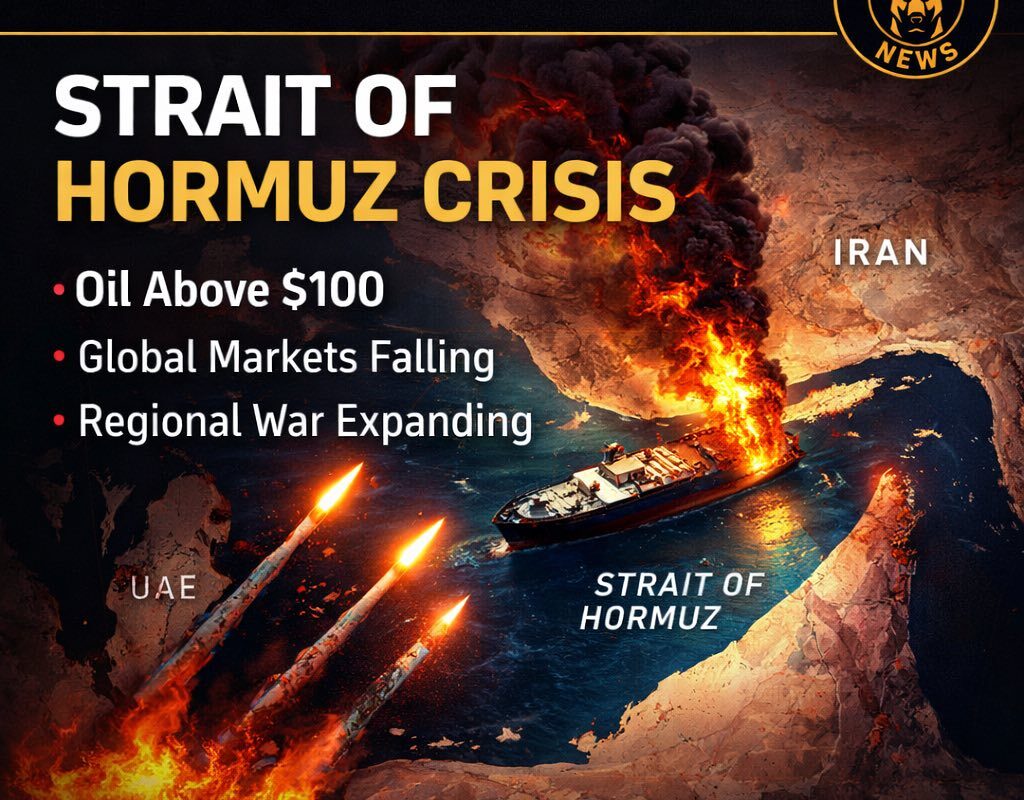
Disruption of shipping in the Strait of Hormuz
-
Proxy group escalation across the region
-
Cyber operations
-
Energy market disruption
Iran’s doctrine emphasizes indirect retaliation rather than symmetrical warfare.
6️⃣ The Venezuela Comparison — Why Iran Is Different
Some analysts compare current deployments to the 2025 Venezuela operation.
However, key differences exist:
| Venezuela | Iran |
|---|---|
| Coastal access | Deep inland defenses |
| Limited military capability | Advanced missile and drone forces |
| Minimal regional escalation risk | High regional escalation risk |
7️⃣ Watchdog Questions That Matter
Rather than choosing sides, Watchdog reporting asks:
-
Is the buildup meant to prepare for war — or prevent one?
-
What specific objectives would justify military action?
-
Who controls escalation once retaliation begins?
-
What happens after a strike succeeds — or fails?
-
Is diplomacy occurring quietly while military pressure rises publicly?
These questions remain largely unanswered.
Watchdog Analysis — The Real Risk
The danger today is not simply aggression.
It is a misinterpretation.
Each side believes it is signaling strength to avoid conflict — yet those same signals can be perceived as preparation for attack.
History shows wars often begin when deterrence messaging fails.
Watchdog Conclusion
From a Watchdog perspective, the situation does not resemble a sudden march toward inevitable war.
It resembles something more unstable:
high-stakes coercive diplomacy backed by real military power.
The United States is demonstrating capability.
Iran is demonstrating resilience.
Both claim to want diplomacy.
But when deadlines, deployments, and political pressure converge, the margin for error becomes dangerously small.
The world is not watching a decision that has already been made.
It is watching a moment where one miscalculation could make the decision unavoidable.
👁️ Watchdog Standard
Ask better questions.
Separate movement from narrative.
And remember:
Military buildup tells you what nations can do —
not always what they will do.
Facts Over Factions.