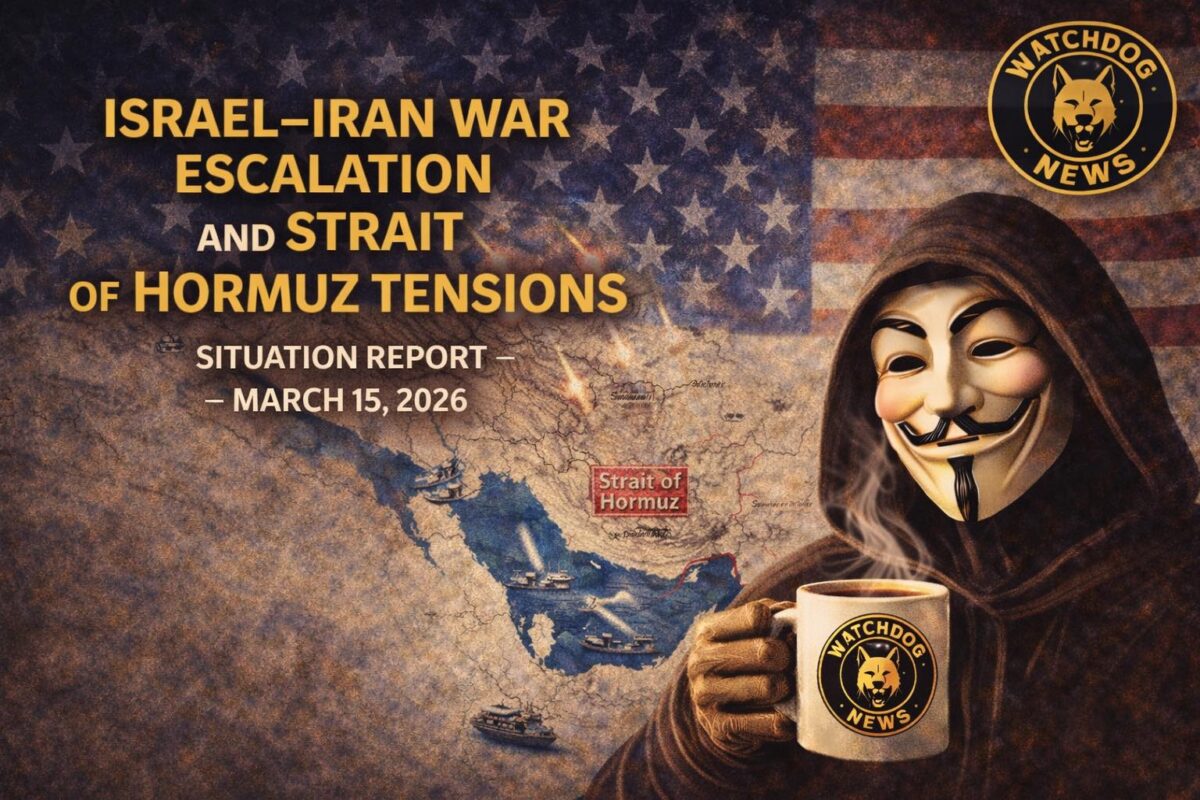


“Ten Days to Decision — Iran, U.S. Force Posture, and the Narrative Fog of War”
By Jared Campbell
Iraq War Veteran — Man of Faith — Facts Over Factions — Watchdog Perspective
The Moment Before the First Shot
In war, the most dangerous moment isn’t the strike.
It’s the hours before the strike—when pressure builds, assets move, threats harden, and every headline becomes a lever. I learned that in Iraq in 2005: once momentum is in motion, leaders start reacting to the machine they’ve already set running.
Right now, the Iran story isn’t just “Will there be a strike?”
It’s a bigger question:
Are we watching diplomacy… or the final stage of pre-positioning where diplomacy becomes a countdown clock?
This report separates what’s verifiable, what’s reported, and what’s interpretation—and then lays out the major perspectives without tribalism.
1) What’s verifiable right now
A) Trump has publicly put a short “decision window” on talks
Trump has indicated a brief timeline for determining whether a deal with Iran is possible—reports say he said the public will know within 10–15 days.
B) The U.S. is materially increasing military capacity in the region
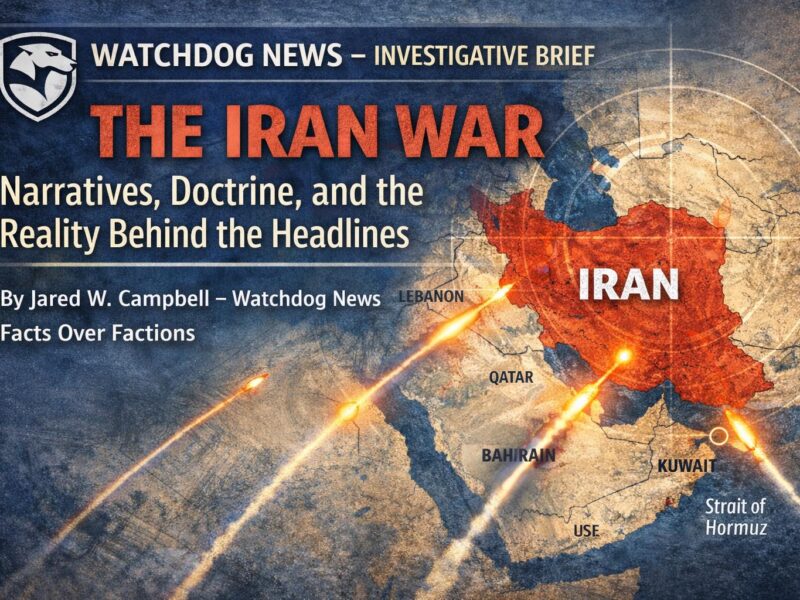
Multiple credible outlets report the U.S. is moving significant naval and air power into the Middle East theater.
- Reuters reports a second U.S. aircraft carrier (USS Gerald R. Ford) heading to the region to join USS Abraham Lincoln, alongside escort ships, aircraft, and other assets—an unusual escalation in posture.
- CBS News reports that the U.S. military is ready to strike as early as the weekend if ordered, in line with force posture and contingency planning.
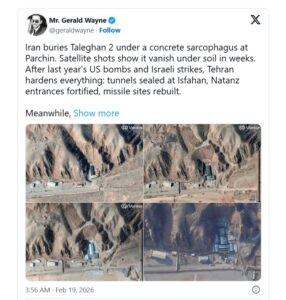
C) Iran is actively hardening sites and infrastructure
AP reporting describes new satellite imagery showing Iran building protective structures at sensitive sites—consistent with preparing for potential strikes and trying to preserve capabilities.
2) What is
reported
But it should be treated carefully
“Weekend strike” framing
Yes, major outlets are using language like “as early as the weekend,” but that phrasing is often based on contingency readiness, not certainty. In military terms, “capable” doesn’t mean “committed.”
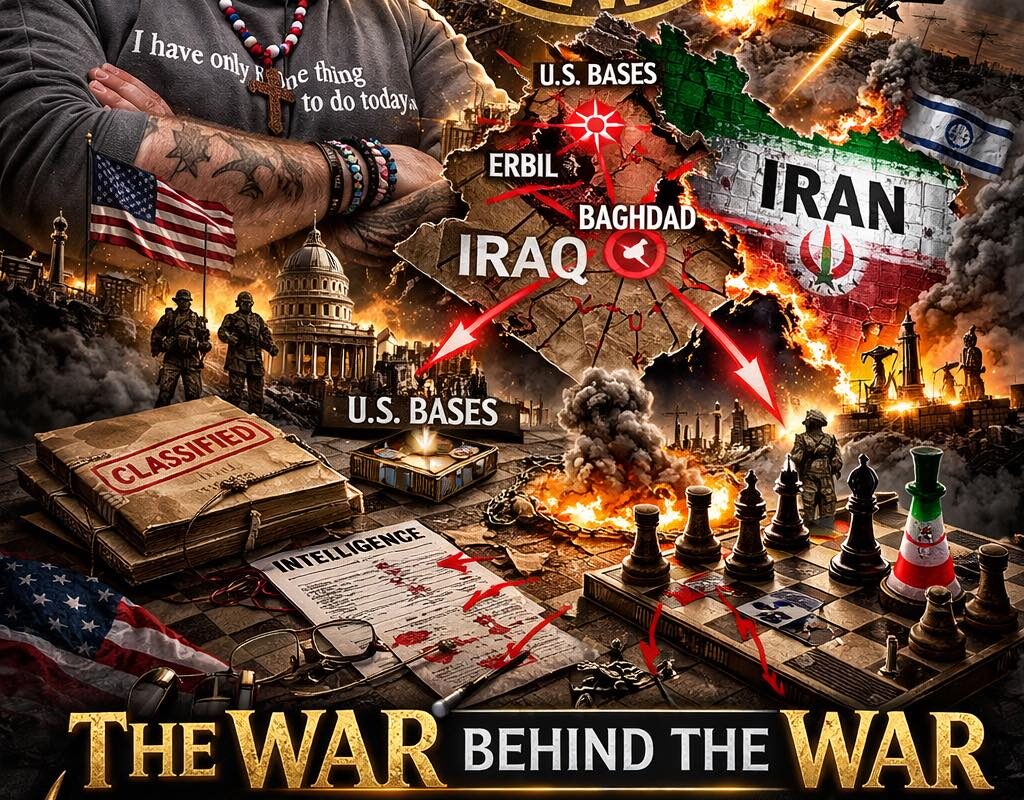
Claims about exact basing/targeting specifics
Claims about which bases will be used, precise target sets, or classified strike packages should be treated as speculative unless confirmed by official statements or multiple independent, high-quality sources.
3) The main strategic reality
Force posture creates its own gravity
When you deploy carriers, escorts, aircraft, and support logistics, it creates momentum—not because leaders want war, but because the readiness machine pressures decision-makers.
That’s why Watchdog reporting focuses on a hard truth:
Even if a leader wants a deal, force posture can narrow options and accelerate escalation.
Reuters underscores the scale of movement and escalation dynamics through the carrier deployment and regional force posture reporting.
4) Different perspectives — without tribalism
Perspective A: The deterrence argument (hawks/hardliners)
Claim: Massive posture prevents war by making Iran believe the U.S. will act.
Watchdog check: Deterrence can work—until it doesn’t. If either side misreads the other, deterrence becomes escalation by miscalculation.
Perspective B: The diplomacy-first argument (restrainers/realists)
Claim: The buildup is leverage for talks, but the risk of accidental conflict rises with every added asset.
Watchdog check: This side argues you can’t “negotiate calmly” while loading the table with matches and gasoline.
Perspective C: The “regional chain reaction” concern (Middle East analysts / humanitarian observers)
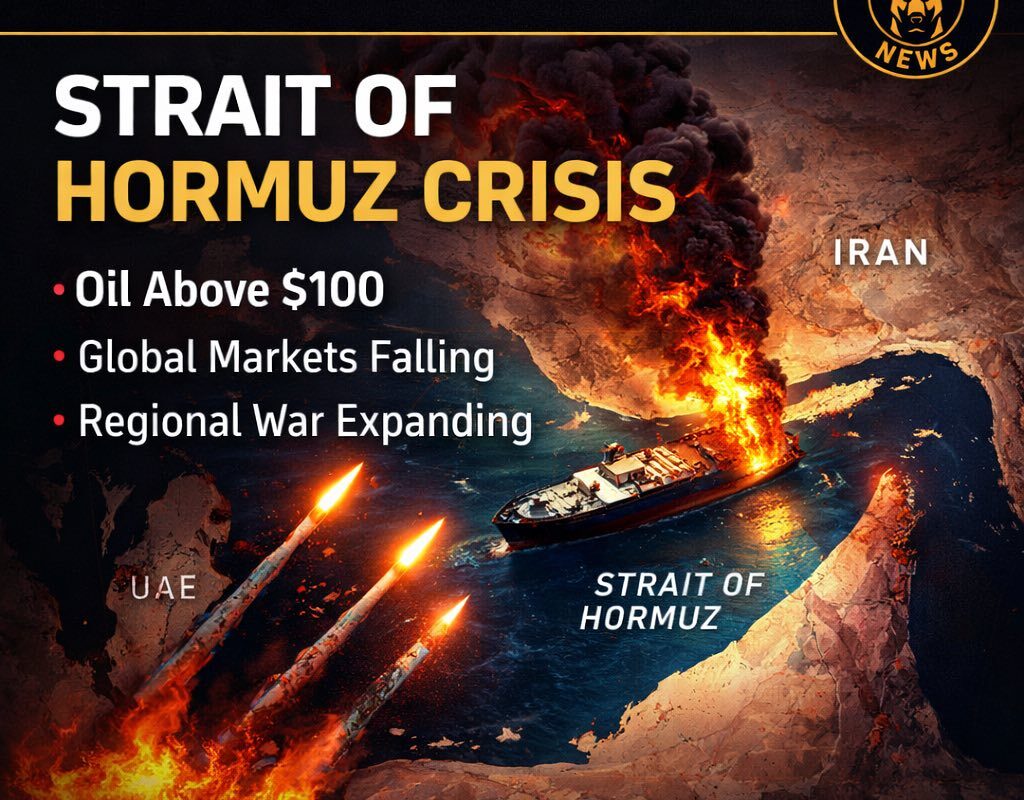
Claim: Even limited strikes can trigger retaliation, proxy escalation, shipping disruption, and civilian blowback.
Watchdog check: This is the “second- and third-order effects” view—very often correct in practice, even when ignored in politics.
Perspective D: The domestic politics lens
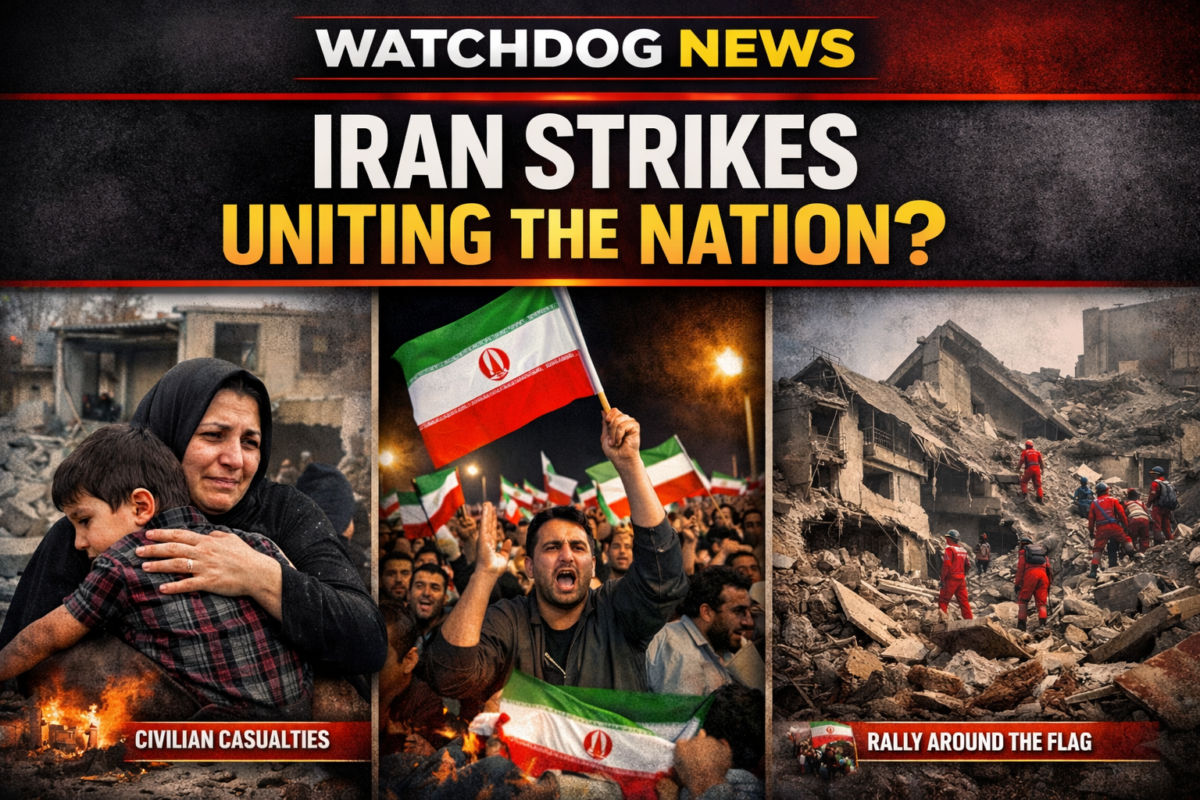
Claim: Leaders use external crises to consolidate support, change headlines, and frame opponents as weak.
Watchdog check: That doesn’t mean the threat isn’t real—it means messaging can be weaponized at the same time the military risk is real.
5) Watchdog questions that keep this honest
If you want to report objectively, these are the questions that matter more than slogans:
- What are the actual stated “red lines” from each side—and have they changed?
- What is the U.S. strategic aim? Deterrence, destruction of capability, regime pressure, or forcing a new deal? (Different aims = different war paths.)
- What would “success” look like on Day 1… and Day 60?
- What retaliation pathways exist (regional bases, proxies, shipping lanes), and what is the escalation ladder?
- What is being asked of allies—explicitly or implicitly—by basing, logistics, and political commitments?
6) Watchdog conclusion
Here’s the clean summary:
- Trump is signaling a short decision horizon on whether a deal is possible.
- The U.S. is building serious strike capacity in the region, including moving a second carrier—an escalation that materially changes risk.
- Iran is hardening facilities, consistent with preparing for possible strikes.
This doesn’t prove war is coming.
But it does prove the region is entering a window where miscalculation becomes easier—and where political theater and real-world force posture overlap.
And from a man-of-faith Watchdog standpoint:
If leaders are going to play with fire, the public deserves truth, not slogans—because it’s ordinary families who pay the bill when the smoke clears.
Watchdog Standard:
Ask harder questions.
Verify before amplifying.
Facts over factions.
👁️ — Jared W. Campbell
Watchdog News